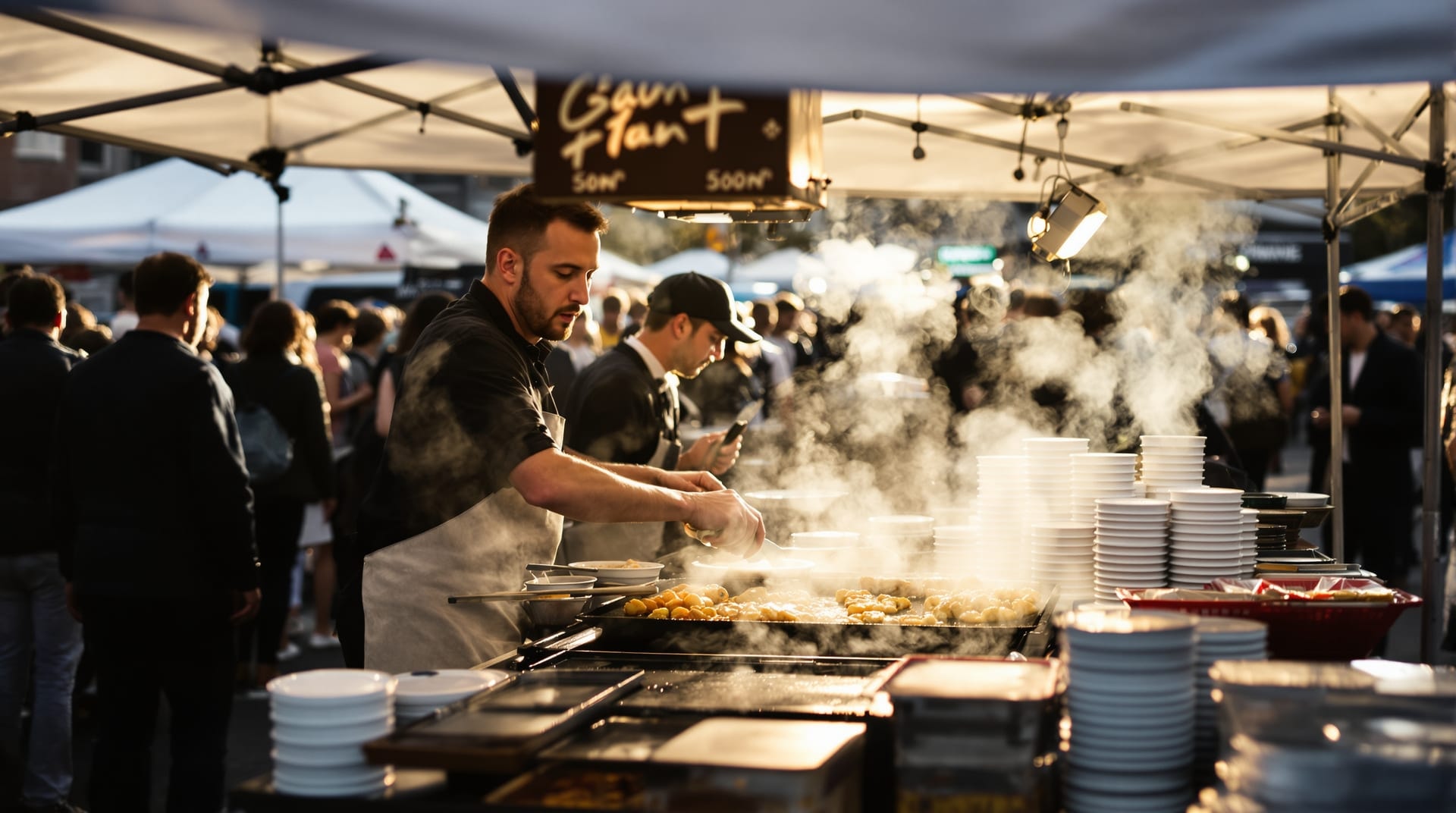
H Street NE has one of the densest concentrations of independent food and drink businesses in Washington, packed into a corridor you can walk in an hour. This page is about the shape of that scene — what kinds of places are there, how it got that way, and how it works on festival day. We do not name or rank individual businesses: the corridor turns over quickly enough that a list would be wrong within a year, and a guide that sends people to a particular door is doing something other than describing a street.
How the corridor eats
Four broad categories account for most of what is on the street.
- Long-standing neighbourhood businesses — carry-outs, takeaway counters, corner groceries and lunch spots, many of them family-run and several of them older than everything else on the block. These are the survivors of the corridor’s hardest decades, and a good number of the people running them held the street together while it was empty.
- The bar and small-venue layer — the dense run of licensed premises on the eastern blocks that arrived with the arts district, from dive bars through cocktail rooms to venues where the drink is incidental to the music. See the Atlas District.
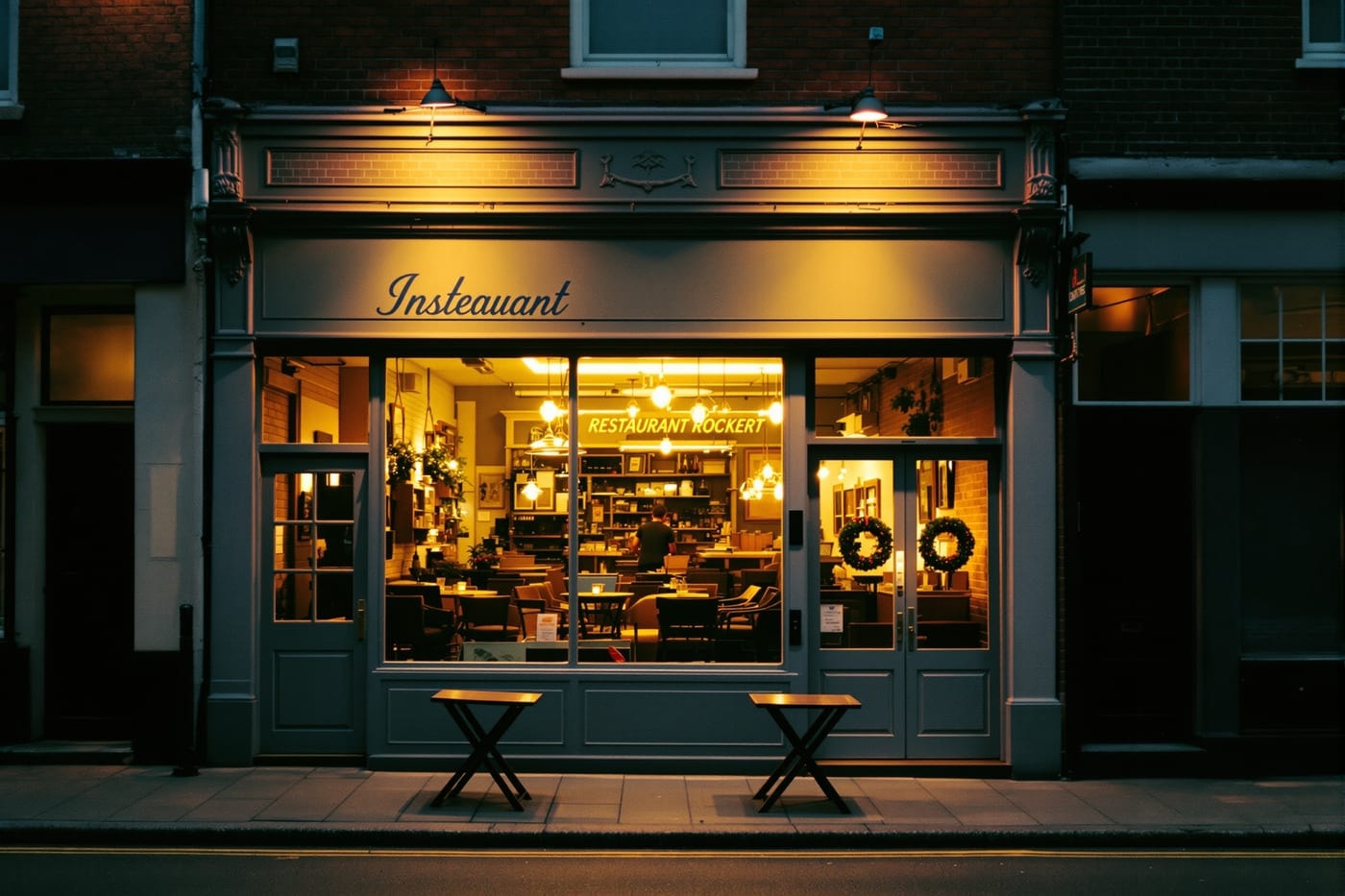
- Independent restaurants — a genuinely wide range of cuisines, mostly small, mostly owner-operated, and mostly opened since about 2010. The corridor’s modest rents relative to downtown were the reason a lot of first restaurants opened here.
- Cafés and daytime trade — the layer that arrived last, following the residential development, and the reason the corridor now has meaningful weekday-daytime activity as well as night-time.
Why the concentration happened
The clustering is not accidental. Three things drove it. Licensing policy allowed a high density of licensed premises on the eastern blocks, which is unusual in Washington and is the single largest factor. The arts venues created reliable evening footfall, which made restaurants viable where they had not been. And the building stock — small, narrow, pre-war commercial units with usable frontage and modest floor plates — is close to ideal for an independent restaurant and hopeless for a large chain format.
That last point is worth dwelling on. The corridor’s independence is partly a matter of taste and partly a matter of geometry: the units are simply the wrong shape and size for most national operators. The buildings that survived 1968 are the reason the street looks the way it does now. See walking the corridor and 1968 and after.
Festival day is different
If you are visiting on the day of the street festival, plan around a few things.
- Street vendors dominate. The roadway fills with prepared-food stalls, many of them run by corridor businesses trading from a canopy outside their own front door. This is where most people eat.
- Bricks-and-mortar places are full, and often adapted. Expect queues, limited or no seating, shortened menus, and in some cases a walk-up window instead of a dining room.
- Cash is worth carrying. Card acceptance at street stalls is good but not universal, and a crowd of that size degrades mobile signal noticeably.
- Eat off-peak. The crush lands in the middle of the afternoon. Early and late are both markedly easier.
- The side streets are the release valve. Places a block off H are frequently half as busy as places on it.
Food safety at street events
Temporary food vending at permitted events in the District is licensed and inspected, with requirements covering hand-washing, temperature control, and fire clearance for cooking equipment. Any stall operating legally at a permitted festival has been through that process. General guidance on safe food handling at outdoor events is published by the US government’s food safety service, and the Food and Drug Administration maintains the model food code that most jurisdictions build on.
Eating the corridor on a normal day
Honestly, a normal weekday is the better way to eat H Street. The festival is worth attending for the festival; it is a poor way to experience the food, because everything is compressed, queued and simplified. On an ordinary evening the corridor delivers what it is actually good at: a mile of small independent rooms, a short walk apart, at prices that still mostly reflect a neighbourhood rather than a destination.
Walk east from the transit end and stop when something looks right. That is the entire method, and on this street it works better than a plan. Our visiting guide covers timing and logistics.
Conclusion
The food scene on H Street NE is the most direct evidence of what the corridor has become, and also the most fragile. It exists because small operators could afford small units on a street nobody else wanted. Whether it survives the corridor’s success is the open question, and it is the same question the neighbourhood has been asking about every other kind of change here for twenty years.