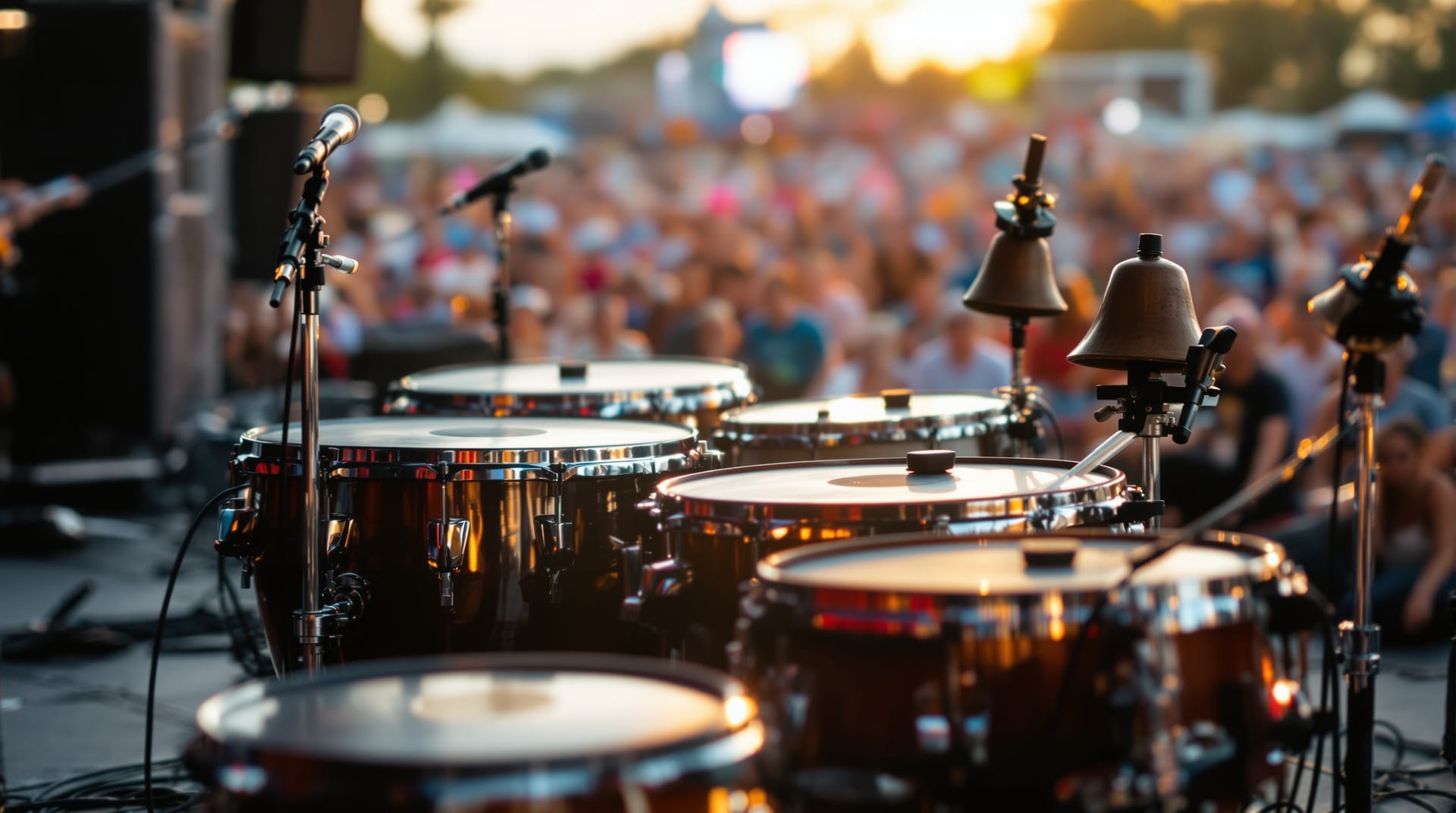
Stand on H Street NE on festival day and the thing you will remember afterwards is not a stage or a stall. It is a sound: congas and rototoms locked into a shuffling, unbroken groove, a horn line riding over it, and a crowd answering a call. That is go-go, and it is not a genre Washington imported. It is one the city made, and a DC street festival without it would be an odd, hollow thing.
What go-go actually is
Go-go emerged in Washington in the mid-1970s out of funk, soul and Latin percussion. Its defining characteristic is structural rather than melodic: the beat does not stop. Where a conventional set is a sequence of songs with gaps between them, a go-go set is a continuous performance in which songs, covers, breakdowns and crowd call-and-response are stitched together over an unbroken percussion bed — congas, timbales, cowbell and rototoms carrying a distinctive swung pattern under the drum kit.
The consequences are worth spelling out, because they explain why the style suits a street festival so precisely:
- It never releases the crowd. With no gaps between numbers there is no natural moment to drift away.
- It is participatory by design. Call-and-response with the audience is not a flourish, it is the form. Bands routinely call out neighbourhoods, schools and streets and wait for the answer.
- It is built around percussion. That carries outdoors and down a closed street far better than a guitar-led arrangement.
- It is local by construction. The call-and-response only works if the band and the crowd share a place. That is exactly the transaction a neighbourhood festival is trying to stage.
The music of the District
Go-go’s standing in Washington was formalised in 2020, when the DC Council designated it the official music of the District — an unusual piece of legislation that also directed the city to support the preservation and documentation of the tradition. The text sits in the District’s statute, published at the Code of the District of Columbia. The designation followed a sustained public campaign in defence of go-go being played on the street, which had become a live argument about who a changing neighbourhood belongs to — a point directly relevant to H Street.
For the wider musical context, the Smithsonian’s Center for Folklife and Cultural Heritage has documented go-go alongside other regional American traditions, and the National Museum of African American History and Culture covers its place in the broader history of Black American music.
The rest of the bill
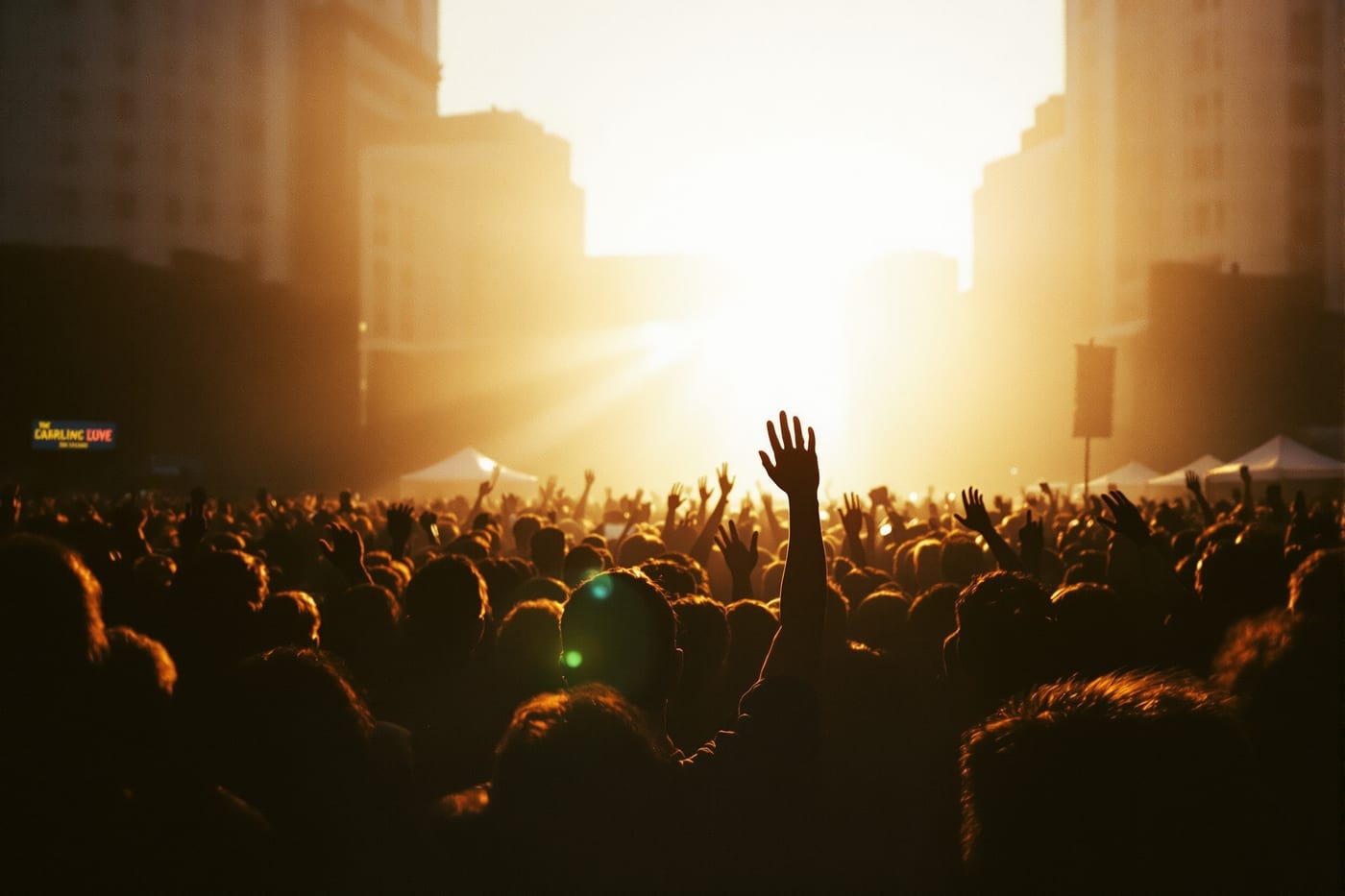
Go-go is the anchor, not the whole programme. A corridor festival on H Street has historically carried a deliberately wide range across its stages, and the mid-2000s editions were explicit about it: rock, rhythm and blues, hip-hop and a DJ booth, plus separate performing-arts stages given over to theatre, dance, poetry and spoken word. Gospel and church-choir performances have long been part of the day, reflecting the density of congregations in the surrounding blocks. Latin and African diaspora acts appear regularly, reflecting who lives there.
That breadth is a programming choice with a purpose. A single-genre festival draws a single audience. A corridor festival that is trying to represent a mixed neighbourhood to itself needs several stages with genuinely different bills, positioned far enough apart not to bleed into each other.
Why the music is the point
It is easy to treat festival music as decoration around the food and the vendors. On H Street the relationship runs the other way. The stages are what establish that the day belongs to the neighbourhood rather than to whoever booked the street, and go-go in particular carries a claim that no amount of signage could: this is a Washington event, in a Washington idiom, for people who know the responses.
That is also why the music has been at the centre of the corridor’s arguments about change. When a band calls out a neighbourhood and a smaller share of the crowd answers than used to, everyone present notices. See 1968 and after for the longer context, and how a street festival works for how the stages are actually built and run.
Conclusion
If you go once and pay attention to one thing, make it a go-go set on a corridor stage in the late afternoon, when the crowd is at its densest and the band has had two hours to build. It is the most concentrated dose of the city’s own culture available in a single hour, and it is free.